01
Technical consulting
Independent review, planning, and engineering recommendations.
Services
Independent review, planning, and engineering recommendations.
Support for scope, delivery, coordination, and quality control.
Practical engineering choices aligned with long-term resilience.
Biofil digesters, public toilet and shower units, and hygiene infrastructure for communities and high-traffic sites.
Technical consulting
We help clients clarify technical options, review designs, assess feasibility, and make disciplined decisions before capital, procurement, or construction commitments are made.
Infrastructure projects
We support infrastructure projects by aligning scope, field realities, vendors, quality expectations, and execution controls. The goal is practical delivery: clear responsibilities, visible progress, and fewer surprises during implementation.
Translate client needs into clear technical scope, deliverables, budgets, phasing, and implementation priorities.
Support communication between owners, contractors, vendors, authorities, and site teams.
Track workmanship, materials, installation requirements, documentation, and technical acceptance criteria.
Provide progress visibility, issue tracking, action registers, and decision records for accountable execution.
Sustainability planning
We focus on implementable sustainability: resilient systems, efficient resource use, maintainable infrastructure, and environmental decisions that fit local conditions and long-term operating realities.
Biofil Sanitation
Cleaner | Smarter | Sustainable Sanitation Solution
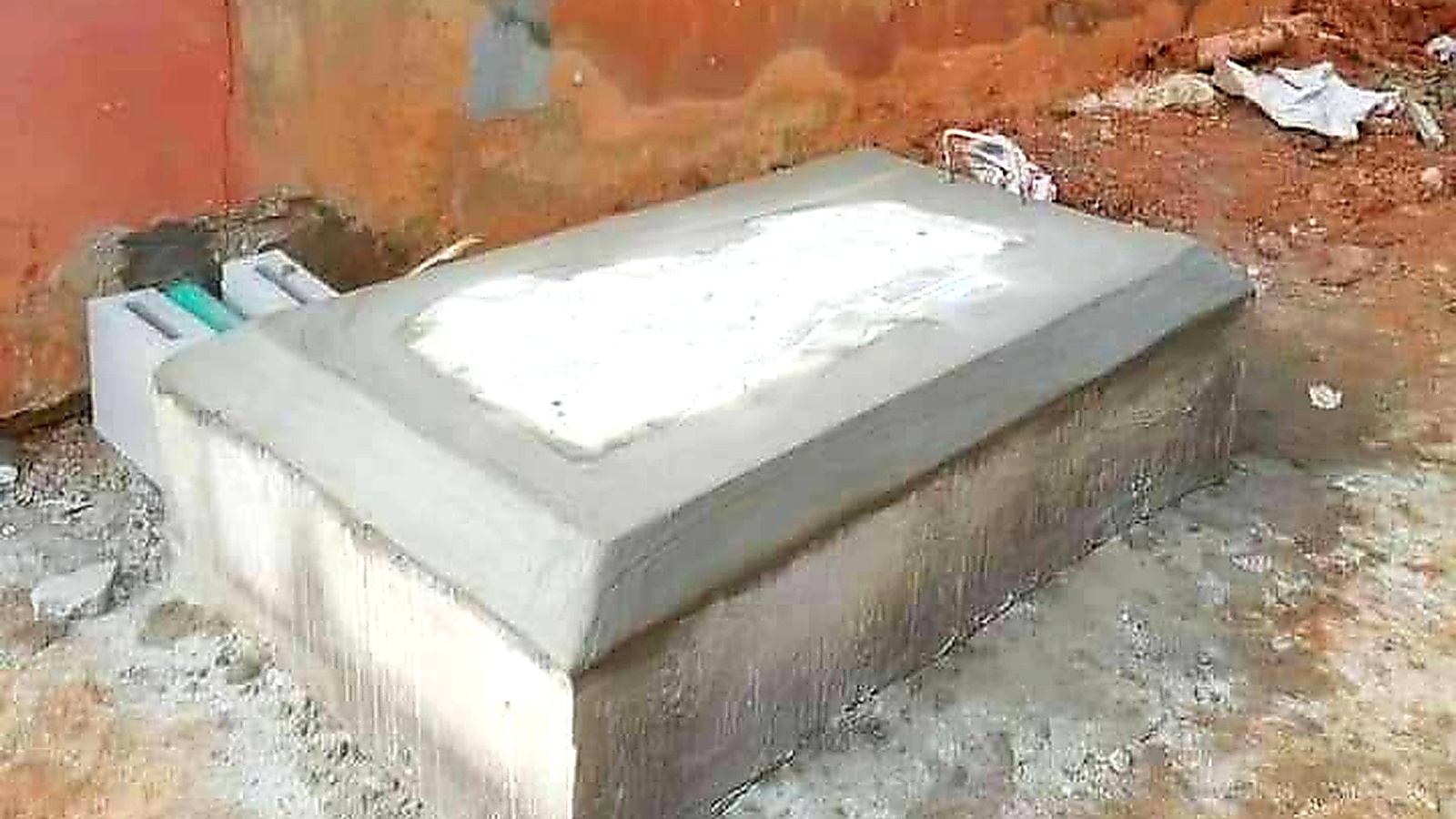
A compact sanitation system that replaces traditional septic tanks with natural aerobic digestion. Biofil uses earthworms, bacteria, and micro-organisms to decompose waste on-site without electricity, chemicals, or routine pump-out requirements.
The problem
Conventional septic tanks can become expensive, space-intensive, and difficult to manage, especially in dense neighborhoods, institutions, markets, clinics, and underserved communities.
How it works
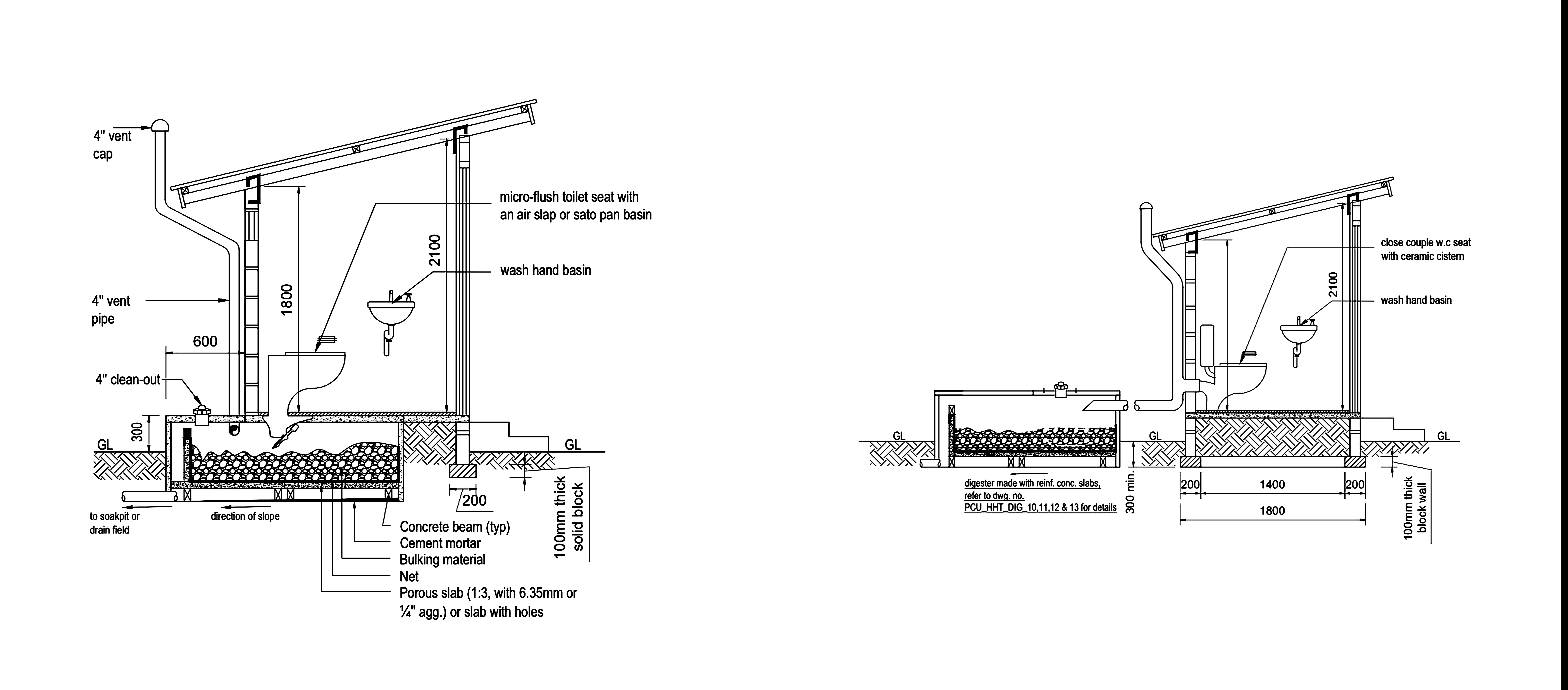
Biofil separates solids and liquids, then uses aerobic biological activity and filter media to treat waste before controlled discharge into an approved subsurface soil or drainage field.
Waste and flush water enter through the inlet pipe.
A porous slab separates solids from liquid flow.
Earthworms and bacteria break down solids aerobically.
Liquid passes through the biological filter layer.
Treated effluent exits to soil or an approved drainage field.
Benefits
Aerobic decomposition helps reduce smell and fly attraction.
Designed to avoid routine pump-outs associated with septic tanks.
Reduces recurring dislodging, power, and maintenance expenses.
Approximate digester size of 1.8m x 0.6m x 0.6m.
Adaptable for rocky, dry, clay, swampy, and waterlogged sites.
Supports responsible waste treatment and reduced environmental burden.
Installation options
Biofil can be adapted to the realities of each site, from compact home installations to school blocks, clinics, commercial sites, and public toilet facilities.
No deep excavation required. Useful for rocky land, high-water-table areas, tight spaces, and sites where inspection access matters.
Hidden installation with standard plumbing integration. Suitable for permanent facilities, institutions, homes, and multi-toilet connections.
Target users
The Biofil model can serve single facilities or larger public hygiene programs where reliable access, lower maintenance, and strong hygiene standards are essential.
Decentralized sanitation where conventional sewerage is unavailable or too expensive.
Compact installations for constrained plots and dense residential neighborhoods.
Community sanitation programs with measurable health and environmental impact.
Reliable hygiene infrastructure for high-use public service facilities.
Sanitation support for commercial buildings, construction sites, and staff facilities.
Scalable public toilet and sanitation infrastructure for cities and municipalities.
Biofil Solutions
Public Hygiene | Dignity | Economic Impact
Clean, accessible, and affordable public toilets and showers designed for high-traffic urban environments in Kinshasa and beyond.
Overview
Rapid urban growth in Kinshasa has created an urgent need for reliable sanitation infrastructure. The Public Toilet & Shower Project delivers a scalable solution that improves hygiene, creates jobs, and enhances daily quality of life.
The problem we solve
Many high-traffic areas lack clean and reliable public toilet or shower facilities.
Poor sanitation increases disease exposure and weakens community hygiene outcomes.
Informal options can expose users to privacy, safety, and dignity concerns.
Affordable access is essential for residents, travelers, informal workers, and market users.
Facilities fail when cleaning, supply, and repair responsibilities are not operationally managed.
Sanitation operations can create local jobs in cleaning, management, monitoring, and maintenance.
Facility formats
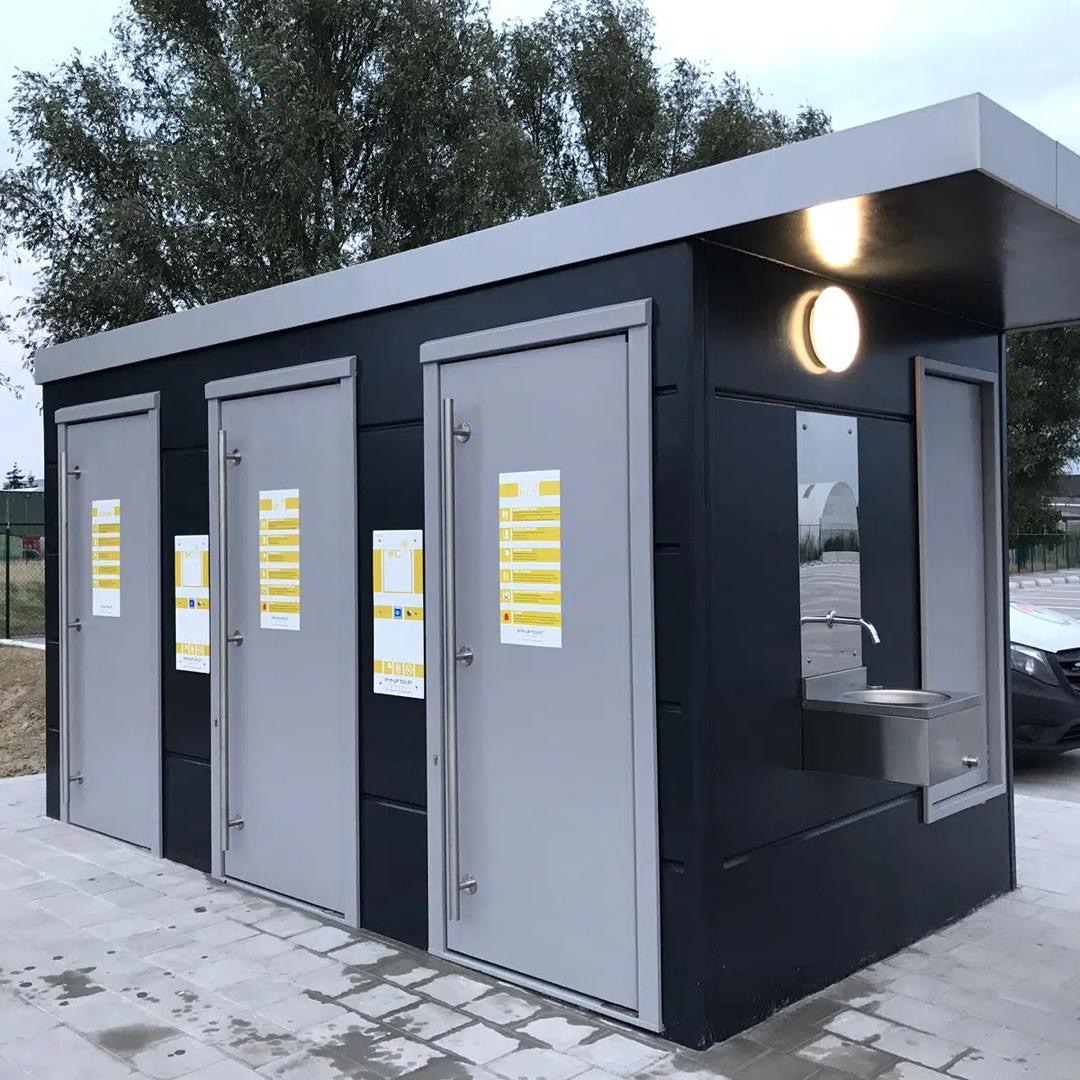
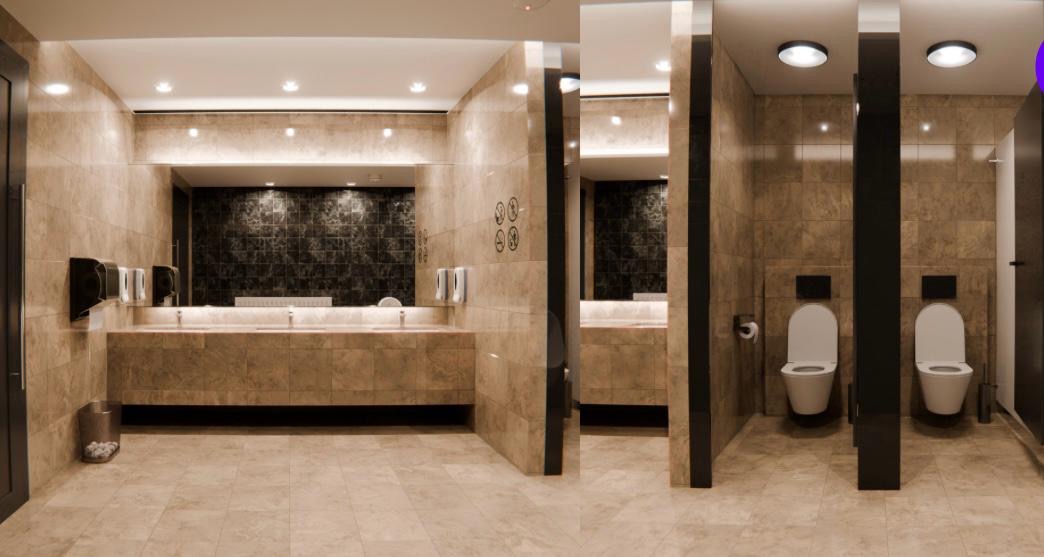
The service adapts to the site: modular blocks for fast outdoor deployment, off-grid tank-top units where utilities are limited, premium interiors for commercial zones, and compact units for dense neighborhoods.
Dual-cabin toilet and shower format with durable structure, ventilation, and fast deployment for markets and transport hubs.
Off-grid model with independent water system, suitable for areas without reliable water infrastructure.
Enhanced user experience and finish quality for commercial zones, institutions, and higher-end public sites.
Compact, cost-efficient, and fast to deploy in dense neighborhoods and constrained urban spaces.
How the model works
Units are installed in strategic high-traffic locations and designed for durability, ventilation, and easy maintenance.
Users pay a small affordable fee per use, creating an operating revenue stream for cleaning and upkeep.
Local staff manage cleaning, consumables, customer support, access control, and daily facility readiness.
Usage tracking, maintenance schedules, financial transparency, and quality checks support long-term performance.
Environmental impact
The public hygiene model is designed to reduce environmental burden while improving daily sanitation access in busy urban environments.
Financial model
The project combines a public-service mission with a practical operating model. Revenue from user access supports maintenance, staffing, cleanliness, and long-term expansion.
Implementation process
Identify markets, transport hubs, neighborhoods, and institutions with high hygiene demand.
Choose modular, off-grid, premium, or standard units based on location and utilities.
Coordinate civil works, water, wastewater, unit placement, signage, and commissioning.
Train staff, define cleaning schedules, stock consumables, and begin user access.
Track usage, maintenance, revenue, jobs, public feedback, and expansion priorities.
Outcomes
Biofil Sanitation supports improved dignity, reduced sanitation-related health risk, local job creation, and a repeatable model for expansion across Kinshasa and major DRC cities.
We invite government partners, investors, and development organizations to collaborate in building cleaner, healthier cities.
Request Consultation